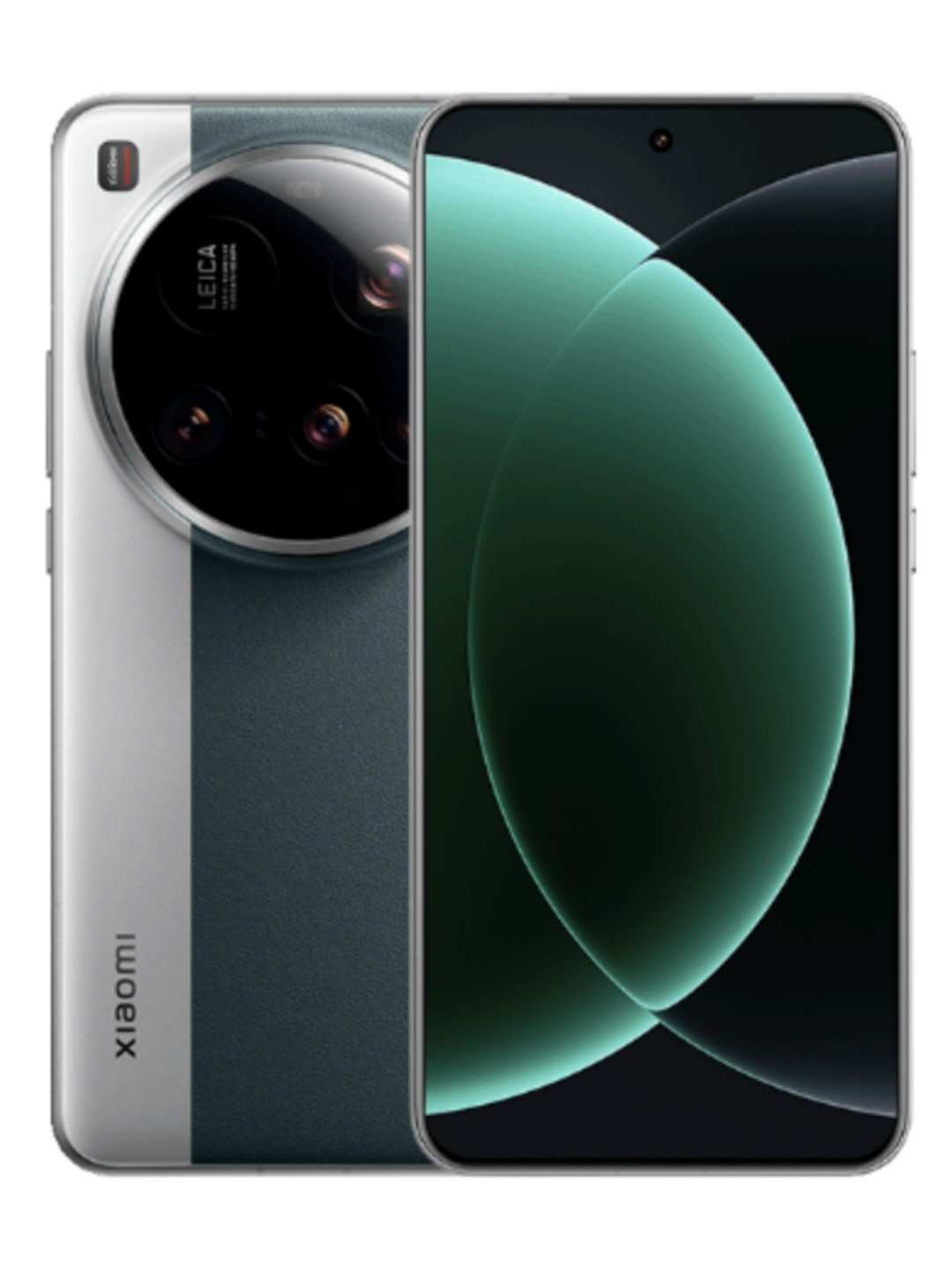
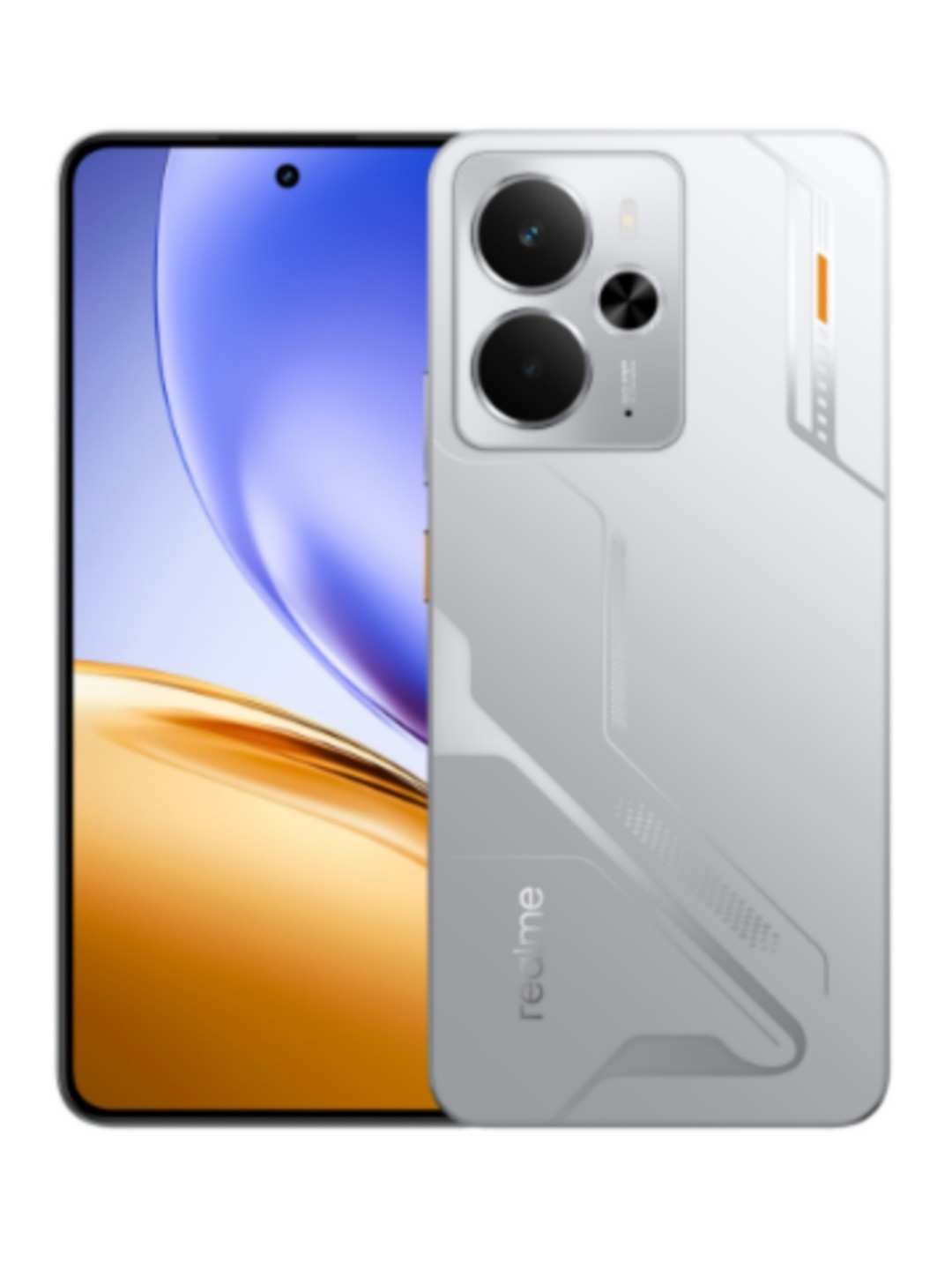
Xiaomi 15 Ultra Vs Realme 14
Specification Comparison
Which one should you Pick?
The Xiaomi 15 Ultra and the Realme 14 take two different approaches to a camera-focused flagship experience. While one leans toward pushing technical limits and standout numbers, the other focuses on balance, natural colors, and consistent real-world results. This contrast shapes how each phone performs in everyday photography and usage.
Xiaomi 15 Ultra Vs Realme 14: Display and Design
Xiaomi 15 Ultra makes a strong first impression as soon as the screen lights up. Its large 6.73 inches, LTPO AMOLED display feels immersive and refined, delivering sharp visuals, smooth scrolling with a high refresh rate, and excellent color accuracy. Whether you’re browsing, watching videos, or gaming, the display remains comfortable and consistently polished, reflecting Google’s focus on a balanced viewing experience.
The Realme 14 takes a more refined and premium approach to display and design. Its large 6.67 inches, AMOLED display delivers sharp resolution, excellent brightness, and a smooth high refresh rate that makes everyday interactions feel effortless. Whether it’s outdoor visibility, media consumption, or long browsing sessions, the display remains comfortable and visually impressive, while the solid build and signature Ultra design give it a distinctly flagship feel.
Xiaomi 15 Ultra Vs Realme 14: Performance and Software
The Xiaomi 15 Ultra and Realme 14 offer smooth navigation and long-term software support, delivering robust performance and a reliable software experience for flagship users. Both devices handle gaming, multitasking, and camera tasks effortlessly, making them ideal for power users seeking a seamless experience.
Xiaomi 15 Ultra Vs Realme 14: Battery life
The Xiaomi 15 Ultra comes equipped with a 5410 mAh battery, easily handling a full day of heavy usage, from gaming and video streaming to multitasking. Its efficient power management ensures you get consistent performance without frequent recharging, making it reliable for all-day use.
Meanwhile, the Realme 14 packs a 6000 mAh battery that keeps up with intensive daily tasks effortlessly. With fast charging support and optimized energy consumption, it delivers uninterrupted usage, allowing users to stay productive and entertained throughout the day.
Xiaomi 15 Ultra Vs Realme 14: Cameras
The Xiaomi 15 Ultra features a 200MP setup that captures stunning detail and vibrant colors. Its advanced camera algorithms and AI enhancements ensure sharp photos, excellent low-light performance, and smooth video recording, making it ideal for photography enthusiasts who want reliable and creative results.
On the other hand, the Realme 14 comes with a 50MP system designed for balanced performance and accurate color reproduction. With powerful image processing and multiple shooting modes, it delivers consistent results across different lighting conditions, making it a strong contender in the flagship camera segment.
Xiaomi 15 Ultra Vs Realme 14: Which one is right for you?
The Xiaomi 15 Ultra , offers a compelling combination of performance, camera capabilities, and battery life. With its 200MP camera setup and 5410 mAh Batterylife, it ensures reliable all-day use and impressive photography. This device is ideal for users who value [highlight a key feature: e.g., balanced performance, smooth software, or camera-focused experience], making it a strong choice in the flagship segment.
Meanwhile, the Realme 14 , stands out with its 50MP camera setup and 6000 mAh Batterylife, delivering excellent performance and long-lasting usability. It is perfect for those who prioritize [highlight a key feature: e.g., advanced camera, premium design, or display quality], offering a reliable and enjoyable experience for daily tasks and photography alike. Both phones excel in their respective strengths, so choosing the right one depends on your personal preferences and priorities.