Compare Phones
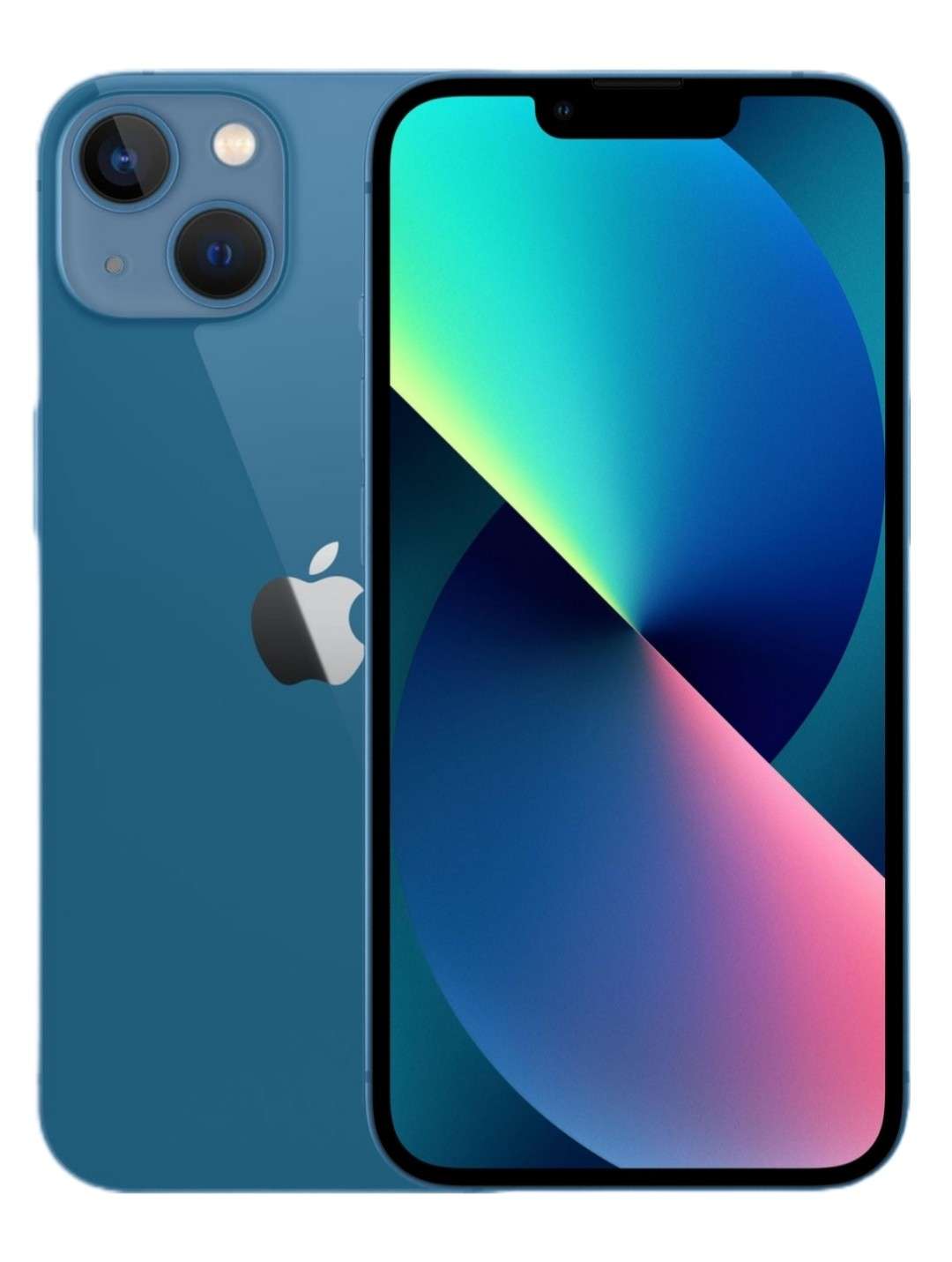
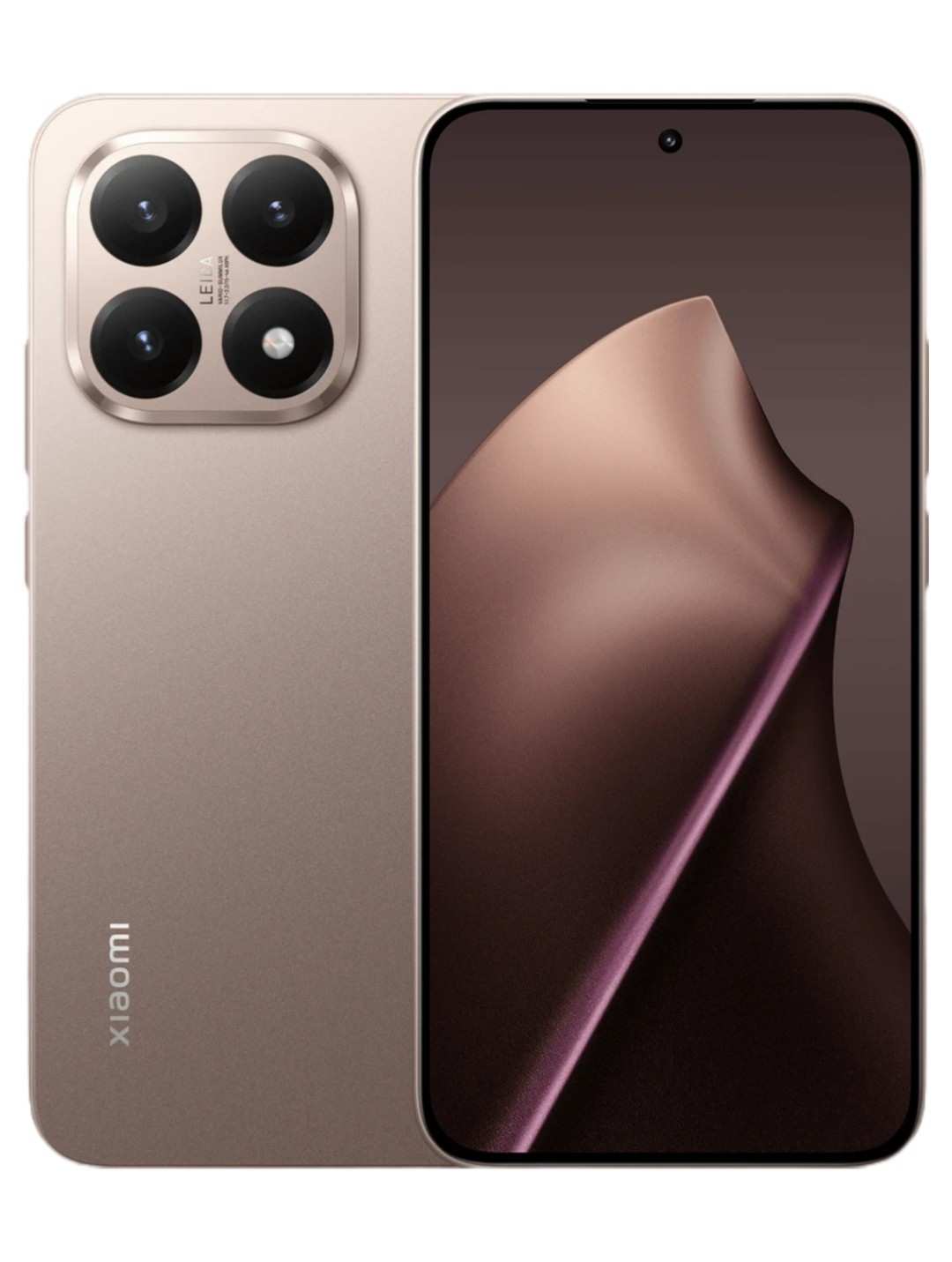
Apple iPhone 13 Vs Xiaomi 15T
Specification Comparison
Apple iPhone 13 price



Specifications
| Launch | ||
|---|---|---|
| Launch | ||
| Announced | 2025, September 09 2025, September 24 | |
| Body | ||
|---|---|---|
| Body | ||
| Weight | 174 g 194 g | |
| Thickness | 7.7mm thickness 7.5mm thickness | |
| Dimensions | 146.7 x 71.5 x 7.7 mm 163.2 x 78 x 7.5 mm | |
| Build | Front glass, aluminum frame, glass back Front glass (Gorilla Glass 7i), plastic frame, glass fiber back | |
| Display | ||
|---|---|---|
| Display | ||
| Size | 6.1 inches 6.83 inches | |
| Type | Super Retina XDR OLED AMOLED | |
| Resolution | 1170 x 2532 pixels 1280 x 2772 pixels | |
| Protection | Ceramic Shield glass Corning Gorilla Glass 7i | |
| Platform | ||
|---|---|---|
| Platform | ||
| Chipset | Apple A15 Bionic Mediatek Dimensity 8400 Ultra | |
| OS | iOS 15, upgradable to iOS 26.2 Android 16, HyperOS 3 | |
| CPU | Hexa-core Octa-core | |
| Memory | ||
|---|---|---|
| Memory | ||
| Internal | 128GB 4GB RAM, 256GB 4GB RAM, 512GB 4GB RAM 256GB 12GB RAM, 512GB 12GB RAM | |
| Card slot | No No | |
| Main Cameras | ||
|---|---|---|
| Main Cameras | ||
| Dual | 12 MP + 12 MP 50 MP + 50 MP + 12 MP | |
| Features | Dual-LED dual-tone flash, HDR - photo/panorama Leica lens, Ultra HDR, LED flash, HDR, panorama, Color spectrum sensor | |
| Selfie camera | ||
|---|---|---|
| Selfie camera | ||
| Single | 12 MP 32 MP | |
| Sound | ||
|---|---|---|
| Sound | ||
| Loudspeaker | Available with stereo speakers Yes, with stereo speakers | |
| Features | ||
|---|---|---|
| Features | ||
| Sensors | Face ID, barometer, accelerometer, gyro, proximity, compass, Ultra Wideband, support Fingerprint (side-mounted), gyro, accelerometer, proximity, compass | |
| Battery | ||
|---|---|---|
| Battery | ||
| Type | Li-Ion 3240 mAh 5500 mAh | |
| Charging | Wired & 15W wireless 67W wired, | |
| Comms | ||
|---|---|---|
| Comms | ||
| WLAN | Wi-Fi 802.11 a/b/g/n/ac/6 Wi-Fi 802.11 a/b/g/n/ac/6e | |
| Bluetooth | 5.0 6.0, A2DP | |
| Positioning | GPS, GLONASS, GALILEO, BDS, QZSS GPS, GLONASS, GALILEO, BDS, QZSS, NavIC | |
| Radio | No No | |
| USB | USB Type-C 2.0 USB Type-C 2.0, OTG | |
Disclaimer We can not guarantee that the information on this page is 100% correct. Read more
Which Smartphone Should You Choose?
A decision to opt either for the Apple iPhone 13 or the Xiaomi 15T can be arrived at after weighing the features that each gadget offers against the requirements of a user. Both the phones are meant to serve people who require superior camera operations, usability, and energy consumption.
While the Apple iPhone 13 is suitable for consumers who need an all-round performance with efficient picture handling capabilities and a prolonged battery power supply, the Xiaomi 15T is made for those who would wish to have a high-end design, superior camera resolution, and top-tier performance.
Apple iPhone 13 Vs Xiaomi 15T: Display and Design
The display screen in the Apple iPhone 13 smartphone measures 6.3 inches, Super Retina XDR display that provides users with a vivid experience while using their smartphones. The display provides smooth scrolling, proper color accuracy, and a great viewing experience, which is ideal for such functions as watching videos, playing games, and browsing the web.
In comparison to the above device, the Xiaomi 15T smartphone features a 6.83 inches, AMOLED display that is brighter, sharper, and more responsive to provide users with an excellent experience, especially outdoors and when using their phone for long hours. Together with its robust build quality and ultra design, this phone can be regarded as a premium product.
Apple iPhone 13 Vs Xiaomi 15T: Performance and Software
The Apple iPhone 13 and Xiaomi 15T come with smooth interface navigation and long-term software support, providing strong performance and a stable software experience for flagship users. The devices are capable of handling gaming, multitasking, and camera operations with ease, making them perfect for power users.
Apple iPhone 13 Vs Xiaomi 15T: Battery life
One of the main features differentiating these devices is battery capacity. The first device, Apple iPhone 13 comes with a 3240 mAh battery. It allows for an extended period of device usage during tasks such as streaming, gaming, and multi-tasking. Therefore, it is an excellent choice for those who care more about battery life than anything else.
On the other hand, Xiaomi 15T has a 5500 mAh battery, which is specifically developed to work efficiently. Even though the battery capacity of this device is less compared to the first one, it can be used reliably due to optimized energy consumption.
Apple iPhone 13 Vs Xiaomi 15T: Cameras
While the Apple iPhone 13 camera comes with a 12MP pixel count, which is efficient enough to take quality images with accurate colors and well-managed dynamic ranges, the software of the phone can help capture clear and bright photos in low lighting environments and portraits.
Conversely, the Xiaomi 15T has an impressive 50MP camera system that caters to ultra-high resolution photography. The camera system offers enhanced detail, accurate color representation, and diverse shooting options.
Apple iPhone 13 Vs Xiaomi 15T: Which one is right for you?
The Apple iPhone 13 is packed with some of the best features in terms of performance, cameras, and battery life. The fact that it features 12MP cameras and 3240 mAh battery capacity means that it is one of the smartphones that can deliver good performance and even better cameras. This phone suits the user who cares about Face ID, barometer, accelerometer, gyro, proximity, compass, Ultra Wideband, support .
Alternatively, the Xiaomi 15T is known for its exceptional camera system with 50MP as well as the battery life of 5500 mAh , which is amazing. For people who like to have Fingerprint (side-mounted), gyro, accelerometer, proximity, compass , this phone will be perfect for them. Both phones are really good and unique in their own ways, and it comes down to personal preference.